
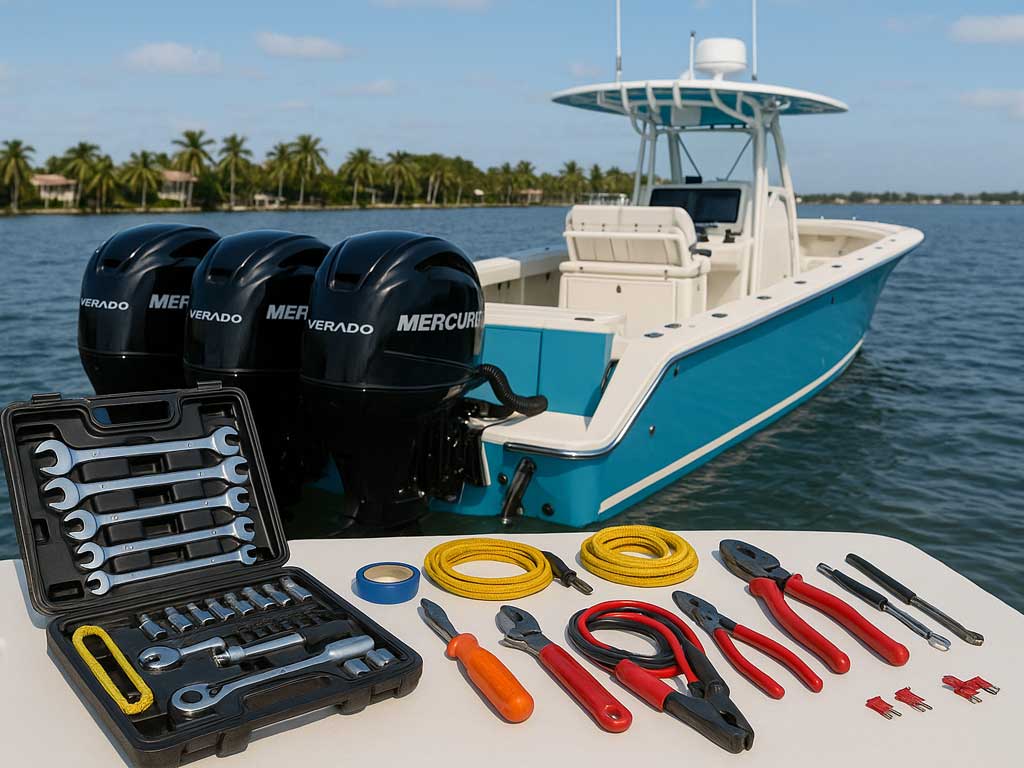
Owning a boat, however, comes with the responsibility of maintaining the parts that keep it working and safe. So, while you are picking durable boat parts and accessories, you are creating a foundation for its long-lasting use and unwavering performance. Standardised parts significantly lessen the impact of repairs, safeguard investments, and make time on the water more enjoyable. This guide covers the most important factors to think about when choosing the boat components, shaping it to quality, material, and suitability.
Understanding Material Quality
When discussing durable boat parts, it often starts with the materials. Each of the metals, plastics, and composites all have their own pros and cons. Stainless steel is usually a choice due to its anti-rust and anti-corrosion properties. Aluminum is durable yet light, which makes it a suitable metal for the fittings and frames. In any case, not all plastics are created equal, and high-grade plastics can resist saltwater and UV damage. Choosing the correct material for each part avoids early wear and enhances its lifespan.
Wood is a conventional choice; however, it requires consistent maintenance and needs to be sealed up to make sure there are no water leaks. Fiberglass is capable of strength and flexibility, yet will shatter when pushed too far. It is crucial to think about the environment in which you plan to operate the boat. Areas that are in direct sunlight or that are constantly wet require greater corrosion and fade resistance.
Evaluating Functional Design
Durability has as much to do with the way the gear is designed as it does with the materials it is made from. Even strong materials can fail when components are poorly designed, leading to tension in the component under standard stress. Hinges, latches, and mounting brackets for heavy-duty construction to endure repeated use. Having a smooth surface finish on moving parts helps decrease the amount of friction, thus prolonging their lifetime. For those extras like cleats or rod holders, take a gander at the limit and how they secure to guarantee they remain set up when in the water. When your design is well thought out, the scope to break is near zero, and it makes your product easier to use a lot.
Checking Compatibility and Fit
Every high-quality part and accessory is useless if it does not fit. You must be compatible with the specifications of the boat vision. Now components should line up with pre-existing structures, allowing for secure deployment without revisions that degrade performance. The adjustable fittings can be employed where required, but the adjustments should be undone under load. A correct fitting avoids unnecessary wear and protects the parts as well as the surface of the boat.
Maintenance Considerations
Regular maintenance is crucial in prolonging the life of boat components. Doing things like washing off parts after exposure to saltwater, checking for signs of corrosion, or using lubricants on moving parts all prevent deterioration. For other equipment like anchor lines, ropes, and seats, some cleaning will periodically be necessary to remove dirt and UV residues. While durable materials are sturdy, regular inspections are wise, as small problems can lead to big ones if neglected. Very specific maintenance routines designed for the actual environment of the boat maximise its longevity and minimise its repair costs.
Cost vs. Longevity
Although quality components may come with a higher short-term investment, they are worth it in terms of long-term replacement & replacement time. Low-cost parts can wear out too quickly, forcing you to buy replacements over and over again, costing you more in the long run. The constant cost vs durability debate helps in making the correct choice. Other factors like warranties and the reputation of the manufacturer also help in making a choice, as the dependable brands usually have better customer support and reliability performance.
Environmental Impact
The need to make sustainable boat parts and accessories choices is rising. Choosing materials that are corrosion- and degradation-resistant minimizes waste from replacements. Components are safeguarded with non-toxic coatings and finishes, as well as the surrounding water environment. With a track record of long-lasting products, you can still keep your environmental impact low whilst achieving a high level of performance. Accessories that last not only help boating but also responsible boating.
Common Durable Components
There are some boat parts that will always prove to be reliable over time. We use stainless steel hardware, heavy-duty cleats, and high-density ropes because they withstand stress and weather extremely well. Other gear stays in good shape from marine-grade seats, storage boxes, and protective covers. Corrosion-resistant electrical fittings guarantee a steady performance regardless of the presence of water in the area where they are used. These aspects are incorporated with greater emphasis for enhanced longevity and fewer replacements.
Making Informed Choices
Boat parts and accessories will require a bit of research and planning. Finding information by reading reviews, reading the technical specs, and getting suggestions from experienced boaters will really help. Balancing between different materials and designs, and comparatively the cost and cost-effectiveness are the factors that guide the clients in making a balanced decision. Better parts improve performance and peace of mind by providing a balance between strength, function, and maintenance. Making a thoughtful selection protects the boat, lowers costs, and fosters safe and enjoyable outings.
Conclusion
Investing in long-lasting boat parts and accessories is at the heart of any reliable and reliable boat. Addressing material selection, functionality, compatibility, and maintenance requirements also ensures a component can endure the rigors of continuous use. The upfront costs may differ, but opting for long-term durability is a money-wise decision when it comes to safety, convenience, and fewer replacement costs. Considering the information they have, boat owners can then make smart decisions on issues which will ultimately allow them to maintain the boat at top performance, protect the investment they have made, and provide them with gratifying pleasure.


