
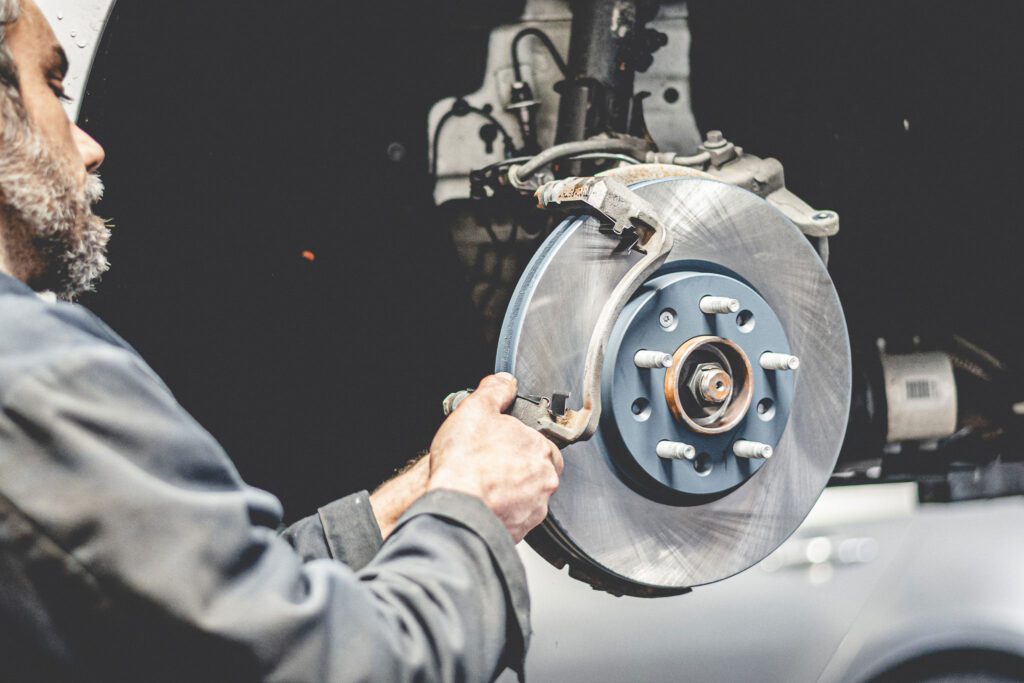
The brake system is super important for keeping your car safe, so it needs regular maintenance to work right. But how do you know when it’s time to replace, repair, or maybe even upgrade something? Figuring that out is key for staying safe and reliable. This guide should help you navigate brake maintenance and make those decisions a bit easier.
Recognizing the Signs
- Squealing or Grinding Noises Hearing weird noises when you brake? That’s often worn brake pads talking. A high-pitched squeal usually means the pads are getting thin and need replacing pretty soon. Grinding? That’s worse. It means the pads are probably gone, metal on metal, and you’ll want to get that looked at right away before it chews up the rotors.
- Vibration or Pulsation Feeling the brake pedal or steering wheel shake or pulse when you brake? That’s not great. It often points to warped rotors or maybe uneven wear. Fixing that usually means resurfacing the rotors if possible, or just replacing them.
- Soft or Spongy Brake Pedal If the brake pedal feels kinda mushy or sinks too far down when you press it, what’s up with that? It could be air trapped in the brake lines or maybe even a leak somewhere. To sort it out, you’ll likely need the brakes bled and a good check of all the hydraulic parts for any leaks.
- Longer Stopping Distances Notice your car taking longer to stop than it used to? That’s a big red flag. It means the brakes aren’t working as well as they should, maybe the pads are shot or there’s a hydraulic problem. This needs a check and repair pronto for safety.
When to Replace
- Brake Pads Brake pads just wear down over time, you know? You’ll typically need to replace them somewhere between 30,000 and 70,000 miles, depending on how you drive. Regular checks are the best way to catch them at the right moment.
- Brake Rotors Rotors need replacing when they get too thin, warped, or just damaged. Your car’s manual should tell you the minimum thickness they can be. Once they hit that point, or if they’re warped badly, swapping them out keeps the brakes working properly.
- Brake Fluid Brake fluid? It doesn’t last forever. Plan to change it every 20,000 to 45,000 miles, or stick to what the manufacturer says. Old or dirty fluid can mess with braking power and even cause rust inside the system. Not good.
When to Repair
- Minor Rotor Issues Got rotors that are just a little warped or wearing unevenly? Sometimes they can be resurfaced by a pro. This smooths them out and buys you some more time before needing a full replacement. Keeps braking smooth and consistent.
- Brake Line Leaks Find a leak in a brake line? Yeah, that needs fixing. Whether it’s rust or just damage, getting it repaired quickly stops fluid loss and keeps the pressure in the system where it should be.
- Caliper Problems If a caliper is sticking, maybe because it’s dirty or corroded, often you can just clean it up or rebuild it. Fixing that fast helps the pads wear evenly and makes sure the brakes engage properly.
When to Upgrade
1. Performance Needs Drive hard, tow heavy stuff, or just enjoy spirited driving? Upgrading to performance brake parts can actually make things safer and more efficient for you.
Options:
- High-Performance Pads: They handle heat better and resist fading, especially when things get hot.
- Drilled or Slotted Rotors: These help cool things down faster, which is good for high-stress stopping.
2. Hydraulic System Thinking about brake lines? Swapping to braided stainless steel ones gives you a firmer pedal feel and they don’t expand as much under pressure. Makes the brakes feel more direct and responsive.
Maintenance Tips
- Regular Inspections Honestly, just getting your brakes checked regularly is the smart move. Have a pro look them over every 6 to 12 months. Catching little problems early stops them from becoming big, expensive headaches later.
- Brake Cleaning Brakes get dusty. Cleaning the components now and then helps. Prevents noise from gunk building up and helps avoid uneven wear.
- Monitor Brake Fluid Keep an eye on the brake fluid level in that little reservoir and top it off if it gets low. Also, make sure the fluid itself looks clean – clear or light yellow, not dark or cloudy. Dirty fluid hurts the hydraulic system.
DIY vs. Professional Service
Some brake stuff you can totally do yourself if you’re comfortable. But other jobs? They’re more complex and really best left to the pros to make sure everything’s safe and done right.
DIY-Friendly Tasks:
- Swapping out worn brake pads
- Checking the brake fluid level
- Giving the brake parts a clean
When to Seek Professional Help:
- Anything with rotors – resurfacing or replacing
- Figuring out weird hydraulic system problems
- Fixing leaks in the brake lines
Conclusion
Keeping your brakes in good shape is just non-negotiable for safety and keeping your car reliable. Knowing when to replace, repair, or upgrade helps avoid accidents and can save you money down the road. Stick to regular check-ups, pay attention to those warning signs your car gives you, and don’t hesitate to get a pro involved when needed. Doing this stuff makes brake maintenance pretty straightforward and keeps your stopping power where it should be. That means peace of mind every time you drive.


